

Hawk Performance Hawk AP Racing 16.51mm Blue 9012 Race Brake Pads Popular
Original price was: $514.95.$205.98Current price is: $205.98.
Description
Hawk Performance has dominated Motorsports race tracks for more than 15 years, offering highly-engineered friction products for nearly every type of racing! *Blue-42 (‘EE’ Compound Code)*Intermediate initial bite, increased mid Mu characteristics, and low to mid-temperature range.*Blue-9012 (‘E’ Compound Code)* * Medium/High Torque and Temperature Compound * Excellent Brake Modulation * #1 Selling Brake Pad Material for SCCA.*Black (‘M’ Compound Code)*Medium torque and temperature compound designed to be a good, all-purpose low- cost racing brake pad. * Medium torque and temperature pad * Good cold effectiveness * A good all-purpose low-cost racing brake pad * Good for Dirt Modified and IMCA style pavement Modified * *Optimal Range:* 200 – 700 * *Min/Max Temp:* 100 – 900 * *Torque:* Medium*DR97 (‘J’ Compound Code)*Excellent static and dynamic coecient of friction. Smooth linear torque. Low pad and rotor wear. For use in drag racing.*MT 4 (‘L’ Compound Code)*Medium/High torque and temperature compound with medium/high initial bite. For circle track cars under 2800 lbs without high deceleration rates. * High initial bite * Designed for pavement circle track under 2800 lbs * Designed for applications not needing high deceleration rates * *Optimal Range:* 500 – 1000 * *Min/Max Temp:* 400 – 1200 * *Torque:* High*Metallic (MB Compound Code)*High torque with linear in-braking characteristics across temperature ranges, allowing the driver to brake harder, longer without sacrificing the life of the pad.*HT-10 (S Compound Code)*Intermediate to high torque with a smooth initial bite. Very consistent pedal feel. Excellent modulation and release characteristics.*Note:*Hawk Performance burnishes its HP Plus brake pads as a final step in the factory, but all brake pads have to be bedded-in with the rotors (new or used) that they will be used against. Properly bedding-in new brake pads results in a transfer film being generated at the pad and rotor interface to maximize brake performance.
Related products
-
Sale!
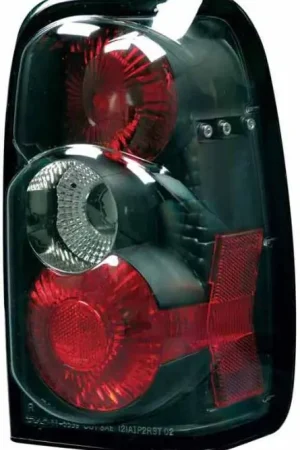
TYC Euro Taillights with Black Housing – 81553940 Best Price
Original price was: $170.99.$68.40Current price is: $68.40. Add to cart -
Sale!
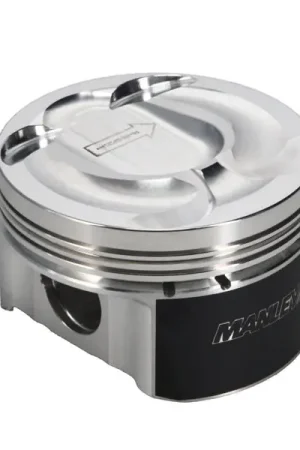
Reduced Price Manley Ford 2.0L EcoBoost 87.5mm STD Size Bore 9.3:1 Dish Extreme Duty Piston Set
Original price was: $830.99.$332.40Current price is: $332.40. Add to cart -
Sale!
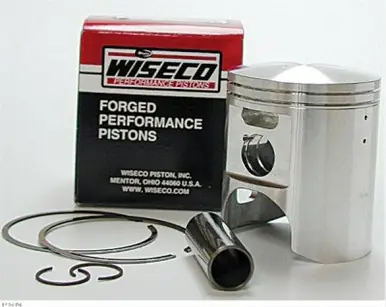
Wiseco 96-97 Yamaha 760 (757M08450 3327KD) Piston Kit – WK1291 Exclusive Offer
Original price was: $394.99.$158.00Current price is: $158.00. Add to cart -
Sale!
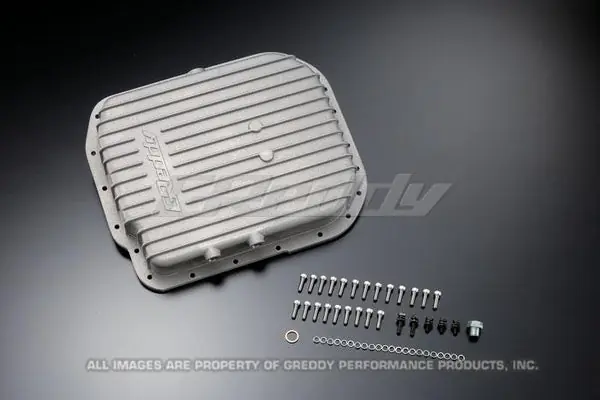
GReddy 04-08 RX-8 Oil Pan Secure Checkout
Original price was: $427.99.$171.20Current price is: $171.20. Add to cart